Understanding the psychology behind gambling behavior in casinos
The Allure of Risk and Reward
The thrill of gambling often lies in the delicate balance between risk and reward. Individuals are drawn to the excitement of potentially winning large sums of money, which triggers a rush of adrenaline. This feeling can be highly addictive, as the brain releases dopamine—a neurotransmitter associated with pleasure—when a person wins. This chemical response reinforces the desire to gamble, creating a cycle that can be hard to break. Many find themselves exploring platforms like taya 365 to deepen their engagement with the activity.
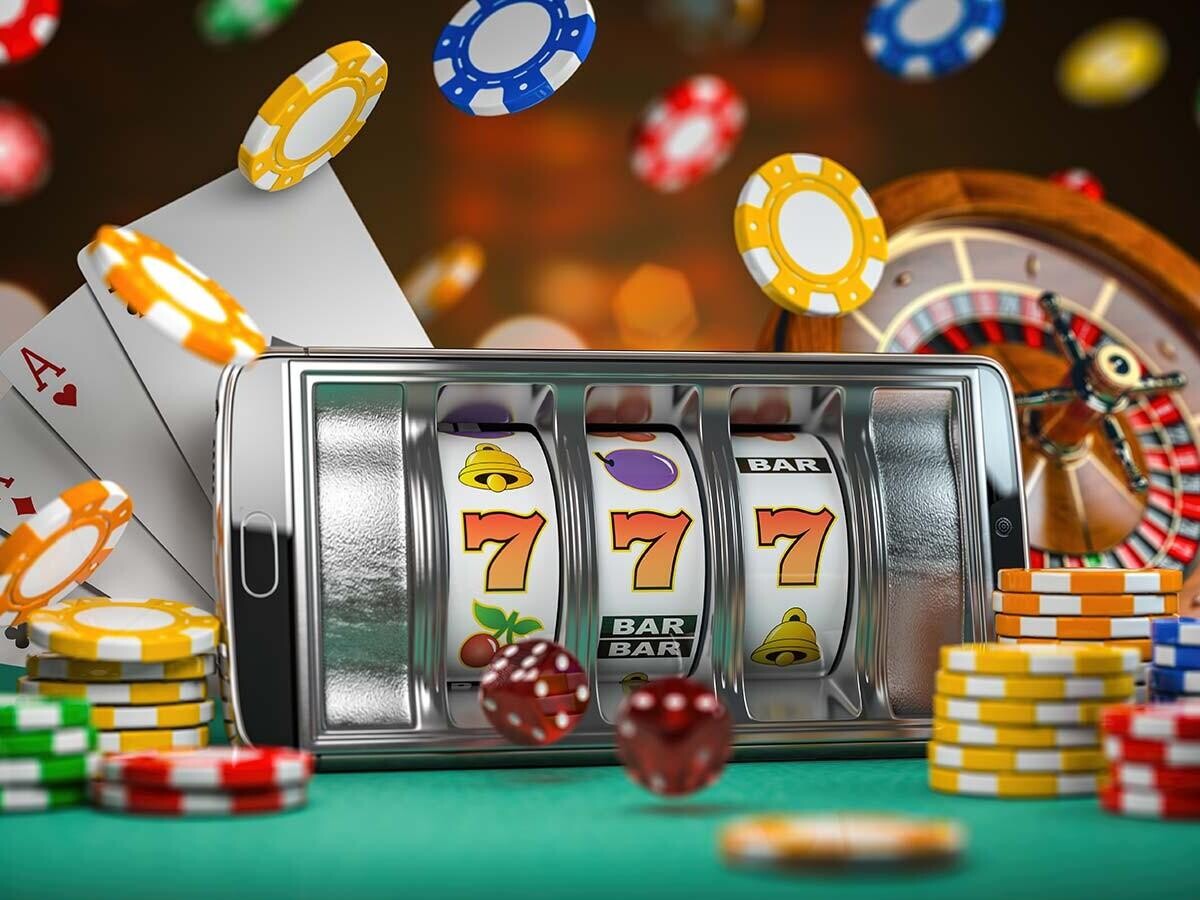
Moreover, the unpredictability of outcomes in gambling heightens the excitement. Many players are drawn to the idea that luck is a significant factor in their potential success. This perception can lead to a gambler’s fallacy, where individuals believe that they can predict future outcomes based on past events. This mindset can lead to increased gambling behavior, as players chase their perceived chances of winning.
The Role of Environment in Gambling Behavior
The physical environment of a casino is meticulously designed to encourage prolonged engagement from players. From the bright lights to the sounds of slot machines and the layout of the games, every detail is intended to create an immersive experience. Casinos often incorporate elements that trigger emotional responses, making players feel excited and engaged.
Additionally, the social atmosphere in casinos plays a significant role. Many individuals enjoy gambling as a social activity, where they can share experiences and celebrate victories with friends or strangers. This communal aspect can amplify the excitement and create a sense of belonging, further reinforcing gambling behavior.
The Impact of Cognitive Biases
Cognitive biases significantly influence gambling behavior. One common bias is the illusion of control, where gamblers believe they can influence the outcome of a game, particularly in games of chance. This false sense of control can lead players to engage in riskier gambling behaviors, as they believe their choices can affect their chances of winning.
Another important cognitive bias is the confirmation bias, where individuals focus on successes while ignoring failures. A gambler may remember the times they won but forget about the times they lost, leading to distorted perceptions of their actual success rate. This selective memory reinforces continued gambling, as players are more likely to return to the tables after a few wins.
Cultural Perspectives on Gambling
Gambling behaviors can vary significantly across cultures. In some cultures, gambling is viewed as a social and entertainment activity, while in others, it may be seen as a taboo or associated with negative consequences. These cultural perspectives shape individuals’ attitudes toward gambling and influence their participation levels.
Understanding these cultural differences is crucial for casinos and gambling establishments. By recognizing the unique values and beliefs of diverse populations, they can tailor their marketing strategies and game offerings, creating a more inclusive environment that resonates with a broader audience.
Exploring More About Gambling Psychology
To delve deeper into the psychology behind gambling behavior, it is essential to engage with research, insights, and resources that explore this fascinating topic. Understanding the motivations and influences that drive individuals to gamble can lead to more effective responsible gambling initiatives and support systems.
For those interested in learning more, visiting specialized websites that focus on gambling psychology can provide valuable information. These platforms often share expert articles, research findings, and strategies for both gamblers and industry professionals, fostering a better understanding of this complex behavior.